
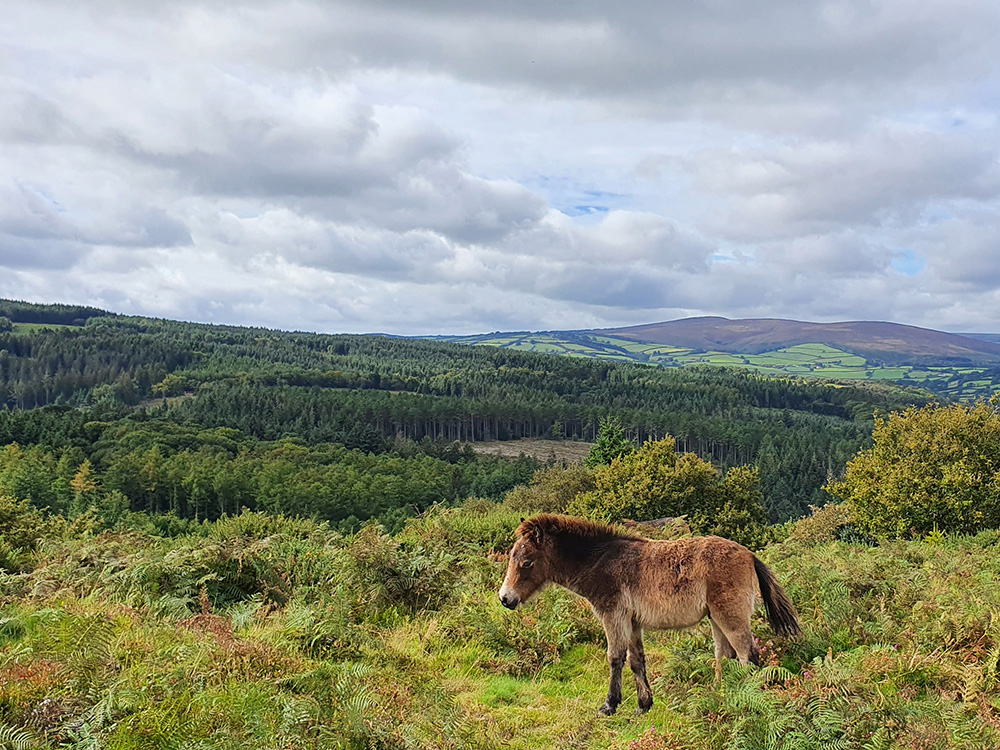
Exmoor Day is celebrated on the 19th of October and it’s a day to celebrate all that Exmoor National Park has to offer to the world. A visit to Exmoor National Park lets you experience inspiring landscapes, discover beautiful English villages, see amazing native wildlife, and explore a rich cultural history.
The National Park Authority and its partners use social media throughout the day to highlight everything that Exmoor means for the nation, including the breathtaking beauty of the scenery, heritage, wildlife, and incredible ways you can experience it in person.
Why is Exmoor Day on 19 October?
The Exmoor National Park was established on 19 October 1954 by the Designation Order issued by the National Parks Commission, and it was signed by Harold Macmillan making Exmoor the 8th National Park within the UK.
October 19 marks the anniversary of Exmoor’s designation as a national park and the concept of Exmoor Day is resurrected every year in the context of tourism recovery as there are so many places to visit in Exmoor.
Today, Exmoor National Park is one of 15 UK National Parks that preserve some of the most precious landscapes, and Exmoor National Park walks with family and friends are one of the best ways to take it all in.
It was also intended to be a recreational present to Britain’s Second World War veterans, to inspire and refresh the nation.
Why visit Exmoor National Park?
Exmoor is home to fewer than 10,000 people, 1000 local businesses, and it is undoubtedly one of the most beautiful landscapes in the country.
The National Park’s ancient woodlands and purple heather moorlands attract more than 2 million visitors each year, but they are also important habitats for many species of animals, including the Exmoor Ponies which roam wild and the largest red deer herds in the country.
Exmoor is alive at night under the darkest skies in the country, offering unparalleled opportunities to see thousands more stars than usual in the Exmoor Dark Sky Reserve which is the perfect canopy for camping under.
Exmoor has seen a lot of progress in the past few decades to bring life to that vision from 1954. From more than 1000km of newly created rights of passage, including the beginning of the UK’s longest National Trail, to camping spots and quaint villages which are now much more accessible to tourists.
A brief history of Exmoor National Park
Under the National Parks and Access to the Countryside Act 1948, the National Parks Commission was established in 1952 to identify Britain’s National Parks and set their boundaries. Exmoor was chosen as part of the second wave of designations, marking the beginning of its official journey as one of the country’s most treasured protected landscapes.
That sense of stewardship continued with the founding of the Exmoor Society in 1958. Still active today, the organisation works to protect and enhance the distinctive character of Exmoor’s wild, varied and beautiful landscapes, with so many new things to do in Exmoor.
Exmoor’s commitment to helping people experience the landscape also grew in the early 1960s. In 1963, Jim Collins became Exmoor’s first Warden and was tasked with overseeing waymarked walks in the Dunster area. The idea proved so successful that it was later adopted more widely across the country.
Access to Exmoor continued to improve in 1969, when Somerset County Council created a permissive footpath to Pinkery Pond along with a bridleway linking Driver to the Chains. For the first time, people on foot and horseback could enjoy greater access across this open moorland. The following year, Pinkery Farm took on a new role as an outdoor education and learning centre.
Walking has remained central to Exmoor’s appeal. In 1976, the Two Moors Way was created as a 102-mile route linking Dartmoor and Exmoor, giving walkers a remarkable long-distance trail through some of the South West’s most memorable scenery.
Conservation work also became an increasingly important part of Exmoor’s story. In 1996, moorland restoration began on areas of blanket bog, with peatland rewetting helping to restore valuable habitats. That work continues today through the Exmoor Mires project, supported by South West Water and Natural England.
Exmoor’s heritage has been carefully preserved too. In 2003, restoration was completed on Simonsbath’s historic sawmill and estate workshop, allowing water to flow through the leats again for the first time in 50 years. Visitors can still be guided around the sawmill by volunteers, bringing this part of Exmoor’s working history vividly to life.
Around this time, the Authority-owned woodland at Tarr Steps was also recognised for its importance, being declared a National Nature Reserve during Exmoor National Park’s 50th anniversary year. The reserve covers 33 hectares and protects one of the area’s most valued natural spaces.
Public access took another major step forward in August 2005 with the Countryside and Rights of Way Act, often known as the “right to roam” act, which opened up 8,000 hectares of Exmoor to the public. That same year also saw the launch of the 36-mile Coleridge Way, stretching from Nether Stowey to Porlock. In a sign of how quickly it captured attention, a Sunday Times journalist walked the full route and stayed in local accommodation before the trail signs had even been installed.
Exmoor’s profile continued to grow in 2007 when the Tour of Britain reached the South West, with much of the race route passing through Exmoor National Park and showcasing its landscapes to a wider audience.
In 2011, Exmoor received international recognition when it was named an International Dark Sky Reserve. It became the first European park to receive the title and only the second in the world, cementing its reputation as one of the best places in the country to experience truly star-filled skies.
The Coleridge Way was expanded again in 2014 with a new 15-mile section to Lynmouth, taking the total length of the trail to 51 miles and giving walkers even more opportunity to explore Exmoor’s varied scenery.
More recently, in 2016, the Headwaters of the Exe project was launched to work with farmers and land managers to protect water quality across the River Exe catchment. That same September, the Two Moors Way celebrated its 40th anniversary with the launch of a new website and pocket guide, highlighting the enduring appeal of Exmoor as a place to walk, explore and reconnect with the landscape.
How can you get involved?
The day aims to highlight the need to protect landscapes and local biodiversity, as well as supporting local communities with responsible tourism and celebrate Exmoor’s identity. Use the hashtag #ExmoorDay to share your Exmoor memories, photos, and experiences. Special promotions will also be held by local businesses throughout the day.
Recent Comments