
Dunster Village Guide: Things to See and Do
Planning a visit to Dunster? Discover the best things to see and do in one of Somerset’s most historic villages. From the impressive Dunster Castle and famous Yarn Market to medieval streets, independent shops, tearooms, walks, Dunster Beach and the West Somerset Railway, there is plenty to explore.
Whether you’re visiting Dunster for a few hours, spending a full day here or staying for a longer break, this guide will help you make the most of your visit.
Things to See and Do in Dunster at a Glance
- Visit Dunster Castle
- See the historic Yarn Market
- Explore Dunster High Street
- Visit St George’s Church
- Discover Gallox Bridge
- Visit Dunster Working Watermill
- Walk to Conygar Tower
- Take a trip to Dunster Beach
- Ride the West Somerset Railway
- Enjoy a walk around Dunster
- Browse Dunster’s independent shops
- Enjoy a meal, drink or cream tea
- Discover events in Dunster
Is Dunster Worth Visiting?
Yes, Dunster is definitely worth visiting.
Dunster is a historic village in Somerset, situated on the edge of Exmoor National Park and close to the coast. Its medieval character, historic buildings, independent shops and beautiful countryside make it a popular place to visit in West Somerset.
The village is perhaps best known for Dunster Castle and the historic Yarn Market, but there is much more to discover. You can explore quiet lanes, visit historic churches and buildings, enjoy a cream tea, browse independent shops, walk through the surrounding countryside or continue towards the coast and Dunster Beach.
If you’re wondering what to do in Dunster, you can easily spend several hours exploring the village and its attractions.
A Brief History of Dunster
Dunster has a history stretching back more than 1,000 years. Its position beneath the castle and close to the surrounding countryside helped the village develop into an important centre for trade, particularly during the medieval wool trade.
The historic High Street remains at the heart of the village today, with the Yarn Market standing as one of Dunster’s best-known landmarks.
Much of Dunster’s historic character has survived, with a remarkable collection of old buildings, narrow streets and traditional architecture giving the village its distinctive appearance.
Discover more about Dunster Village and its history →
1. Visit Dunster Castle
Standing above the village, Dunster Castle is one of the first things you’ll notice when arriving in Dunster.
The castle has a history spanning almost 1,000 years and was home to the Luttrell family for more than 600 years. Today, the castle and grounds are cared for by the National Trust and are open to visitors at selected times throughout the year.
Inside the castle you’ll find historic rooms and collections, while outside there are extensive gardens and views across the surrounding countryside.
The castle grounds also include the historic watermill beside the River Avill.
Tip: Always check the National Trust website for current opening times, admission information and seasonal events before travelling.
See more things to do in Dunster →
2. See the Historic Dunster Yarn Market
One of Dunster’s most recognisable landmarks is the Yarn Market, which stands in the centre of the High Street.
The distinctive octagonal building dates from 1609 and was built during the period when Dunster was an important centre for the wool trade.
Today, the Yarn Market is one of the most photographed buildings in the village and is an essential stop when exploring Dunster.
It’s also a good starting point for exploring the rest of the historic High Street.
3. Explore Dunster High Street
One of the best things to do in Dunster is simply to take your time and explore the High Street.
Historic buildings line the street, with independent shops, galleries, cafés, tearooms, pubs and places to eat along the way.
Look beyond the main attractions too. Some of the most interesting buildings and views can be found by wandering down the smaller streets and lanes leading away from the High Street.
Dunster’s traditional character has made it a popular destination for photographers, history lovers and anyone looking for a relaxing day out.
4. Visit St George’s Church
The Priory Church of St George is another important part of Dunster’s history.
The church dates largely from the 15th century, although parts of the building are considerably older. Its impressive architecture and historic interior make it well worth visiting while exploring the village.
The church stands close to the castle and the historic Tithe Barn and Dovecote, making this an area where several of Dunster’s historic attractions can be explored together.
5. Discover Medieval Gallox Bridge
Head south from the village towards the River Avill and you’ll find Gallox Bridge, a historic medieval stone bridge.
The bridge was once used by packhorses travelling between Dunster and Exmoor and is now one of the most picturesque spots around the village.
It is particularly worth visiting if you enjoy photography or walking, with the surrounding countryside and traditional buildings providing some beautiful views.
Gallox Bridge is also a good starting point for exploring some of the walks around Dunster.
Plan Your Trip
Ready to explore Dunster? Follow @DunsterInfo for daily photos and travel inspiration — or share your own #Dunster moments and join our growing community!
Visit Dunster Working Watermill
Close to Gallox Bridge you’ll find Dunster Working Watermill, situated beside the River Avill.
The historic mill has been restored and provides an insight into Dunster’s industrial and agricultural past.
Its location also makes it easy to combine a visit to the watermill with a walk around Gallox Bridge and the southern side of the village.

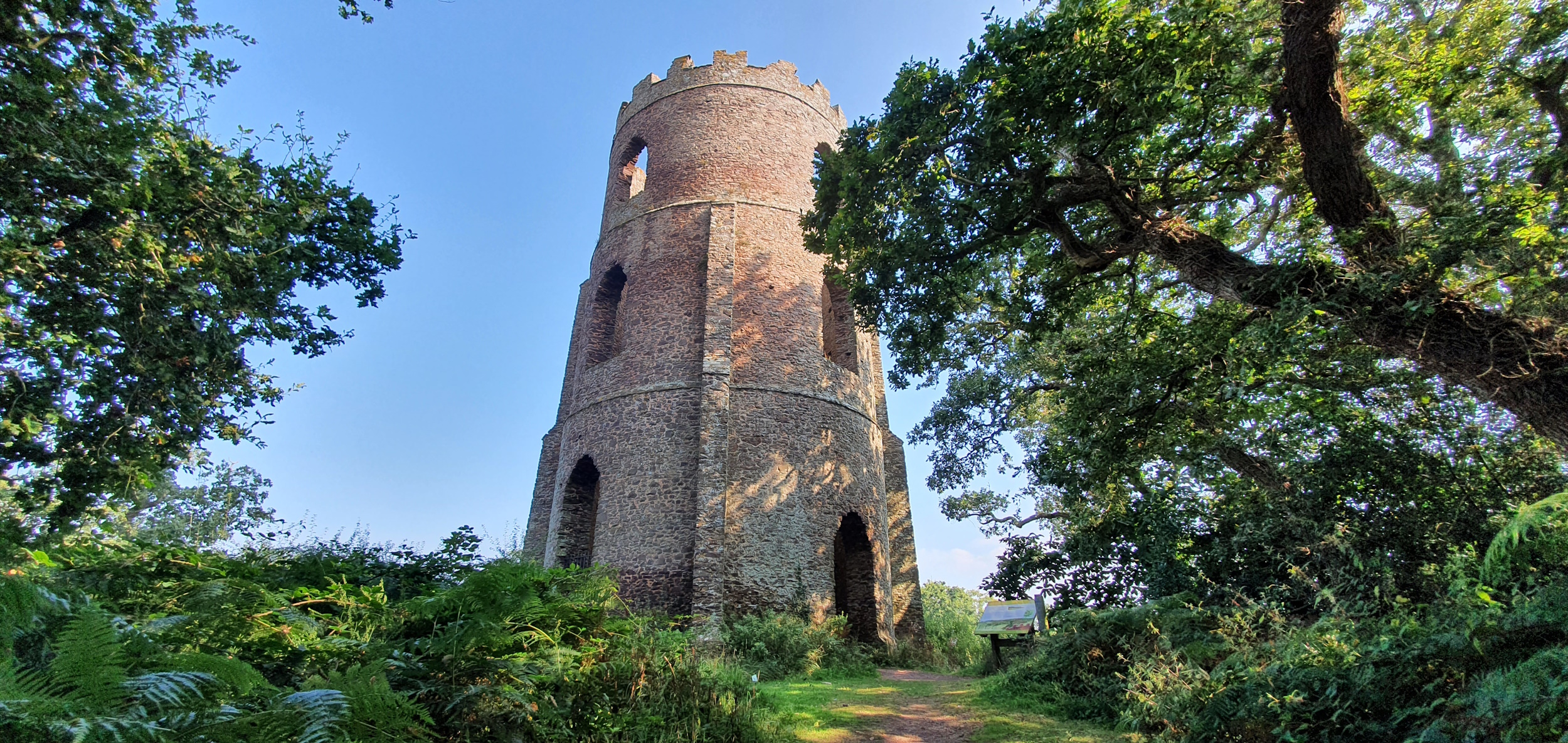
Walk to Conygar Tower
For one of the best views around Dunster, take a walk towards Conygar Tower.
The red sandstone tower was built in 1775 and is an impressive landmark overlooking the village. The surrounding woodland and higher ground provide excellent views towards Dunster, the Bristol Channel and the surrounding countryside.
It is a particularly good choice if you want to combine sightseeing with a short walk.
Visit Dunster Beach
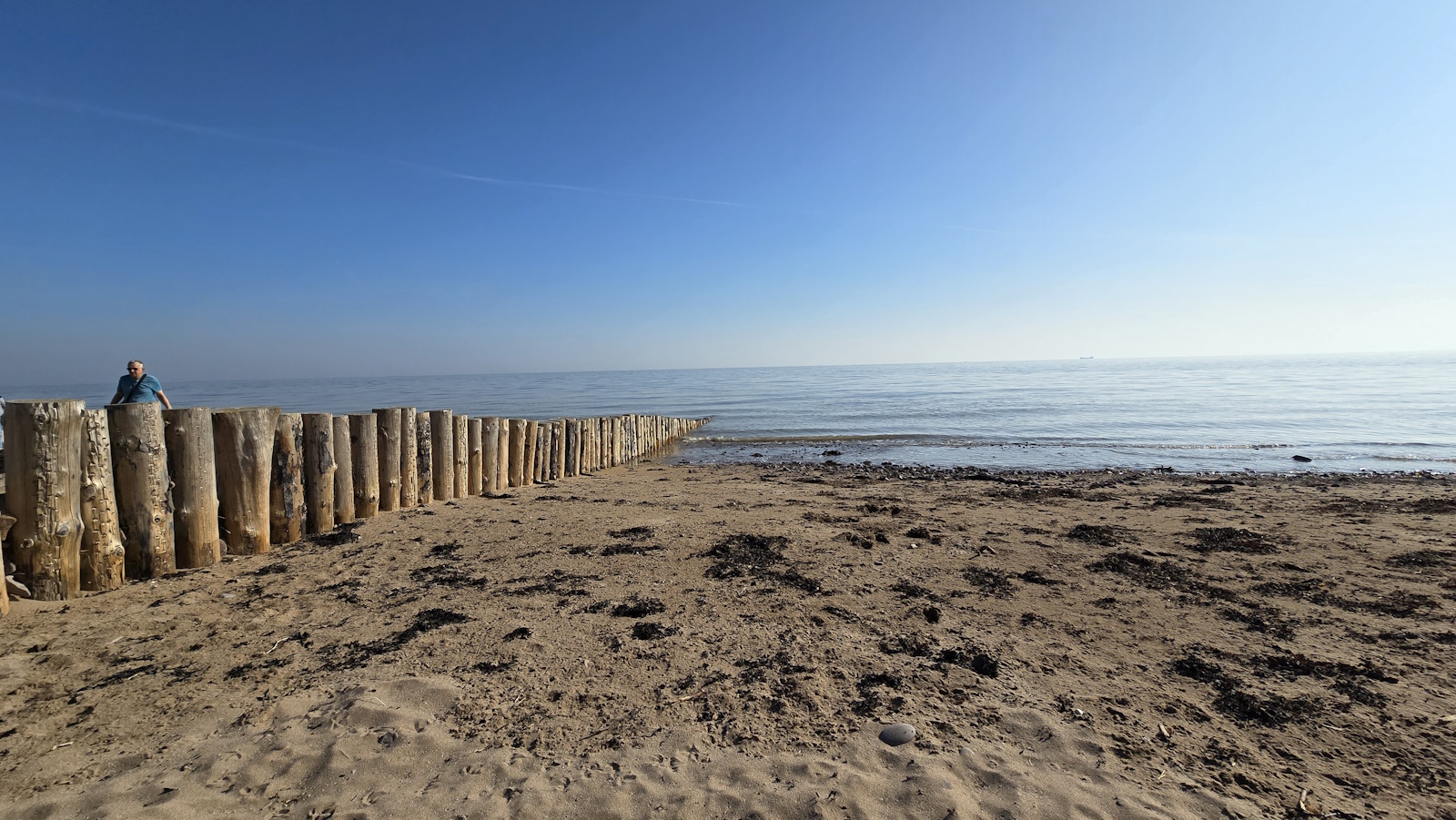
Although Dunster is best known for its historic village, the coast is also within easy reach.
Dunster Beach lies around a mile and a half from the village and sits beside Blue Anchor Bay, with views across the Bristol Channel. The beach is very different from the historic centre of Dunster, making it easy to combine a village visit with a trip to the coast.
It is a lovely place for a walk, photography, watching the sunset or simply enjoying the views.
Read our complete guide to Dunster Beach →
Take a Journey on the West Somerset Railway
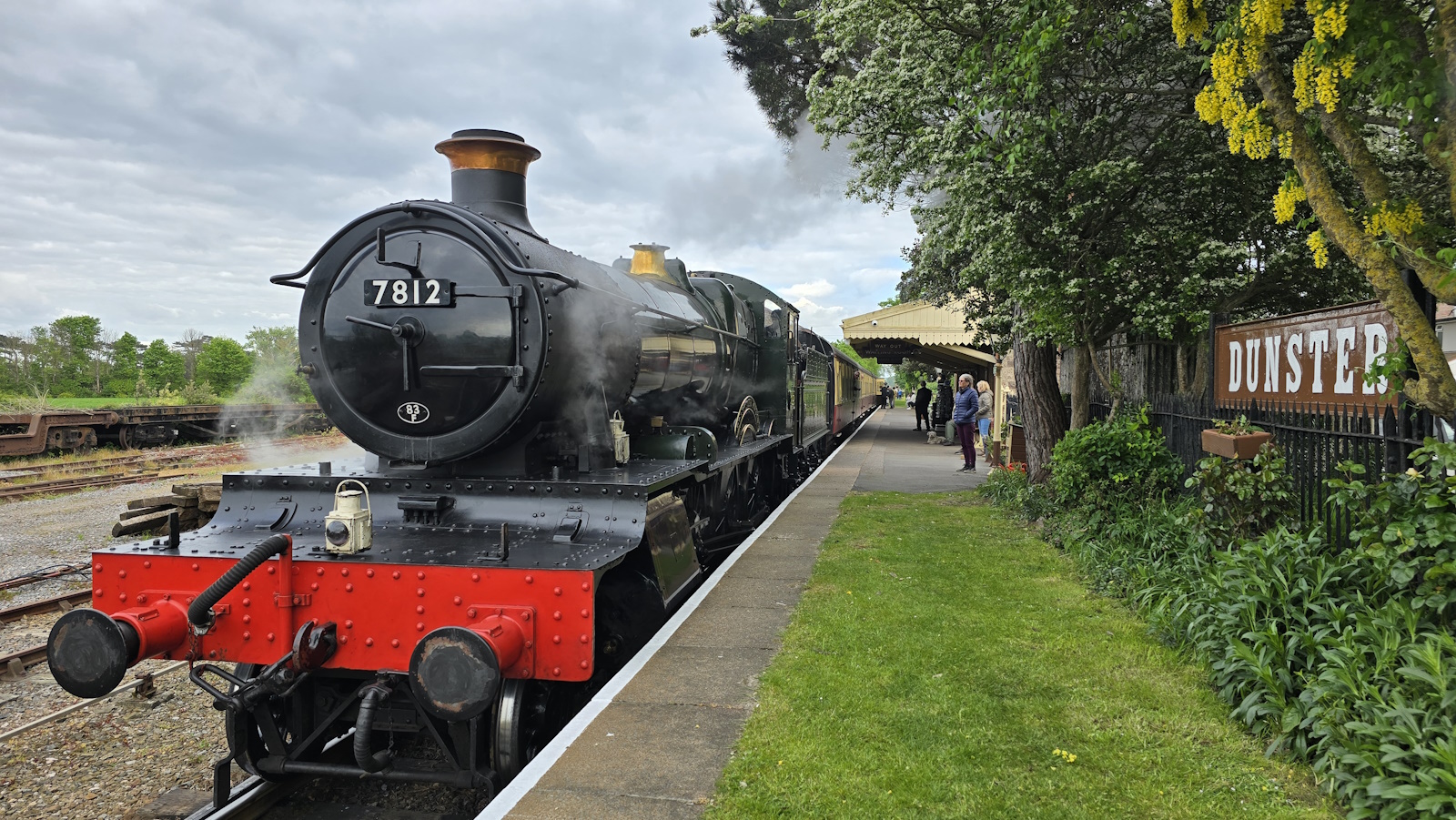
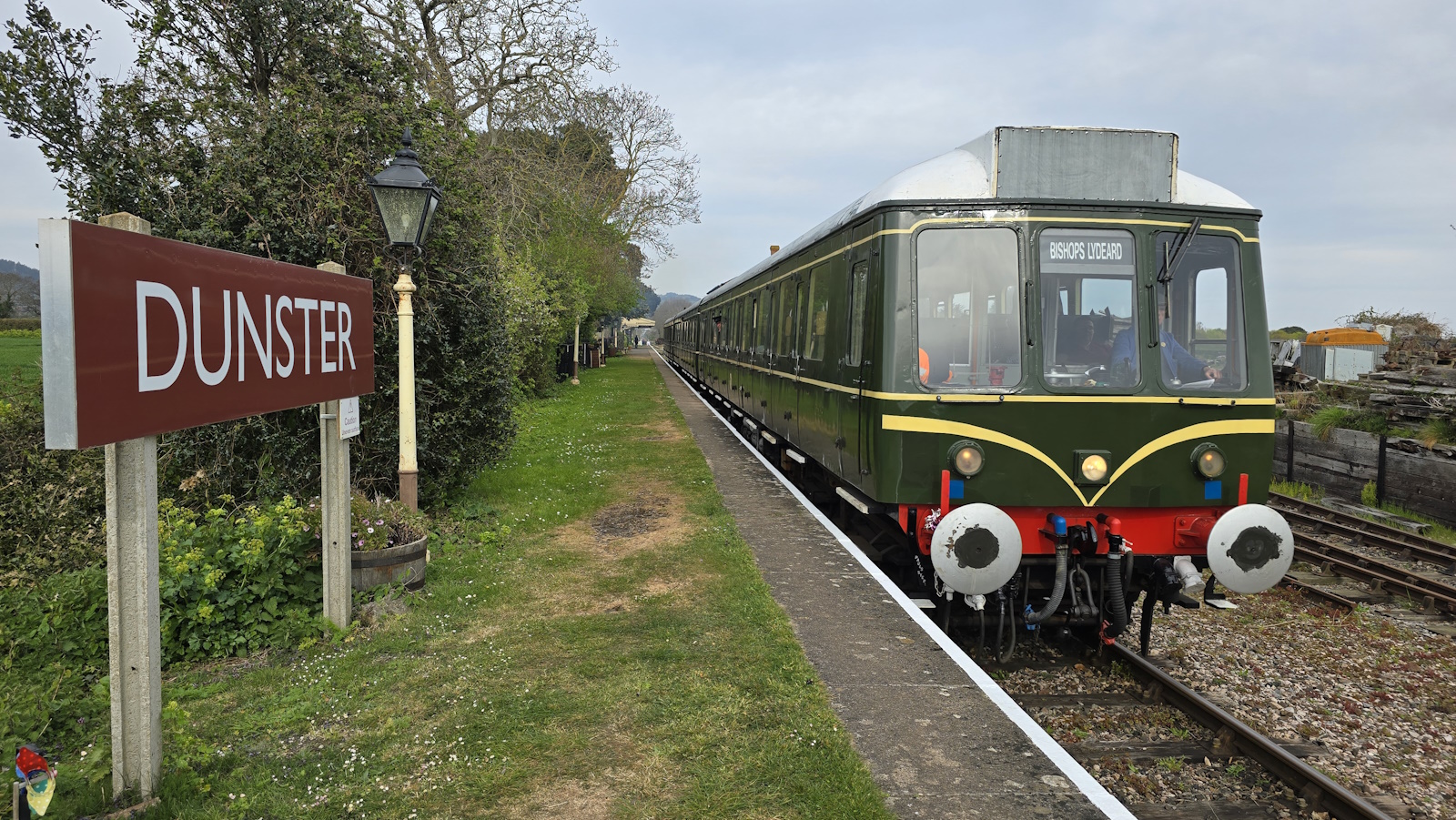
Railway enthusiasts and families can also enjoy a journey on the West Somerset Railway.
Dunster Railway Station is located outside the village itself, but it provides a fantastic way to arrive in the area by heritage railway.
The railway runs through the beautiful countryside of West Somerset, with Dunster forming one of its popular destinations. A visit to Dunster can therefore be combined with a heritage railway journey from other stations along the line.
Enjoy a Walk Around Dunster
Dunster is surrounded by beautiful countryside, making it an excellent base for walking.
You don’t need to be an experienced walker to enjoy the area. There are shorter walks around the village as well as longer routes heading into the surrounding countryside and Exmoor.
Places to include on a Dunster walk
- Dunster High Street
- Dunster Castle
- Gallox Bridge
- Dunster Working Watermill
- Conygar Tower
- Dunster Beach
- Nutcombe Bottom and the Tall Trees
Whether you want a gentle stroll or a longer countryside walk, Dunster offers plenty of opportunities to explore on foot.
Browse the Independent Shops
Dunster’s independent shops are an important part of the village and are well worth exploring during your visit.
You’ll find a mixture of gifts, local products, art, crafts, food, clothing and other unique items that you won’t necessarily find on the high street elsewhere.
It’s also a great place to pick up a souvenir of your visit to Dunster or a gift to take home.
See shops in Dunster Village →
Enjoy a Meal, Drink or Cream Tea
If all that exploring makes you hungry, Dunster has plenty of places to stop for something to eat or drink.
You’ll find traditional pubs, restaurants, cafés and tearooms around the village, with options ranging from a quick coffee to a leisurely lunch or traditional cream tea.
One of the nicest things about visiting Dunster is being able to combine sightseeing with a relaxed break in one of the village’s historic buildings.
Find places to eat and drink in Dunster →
Discover Events in Dunster
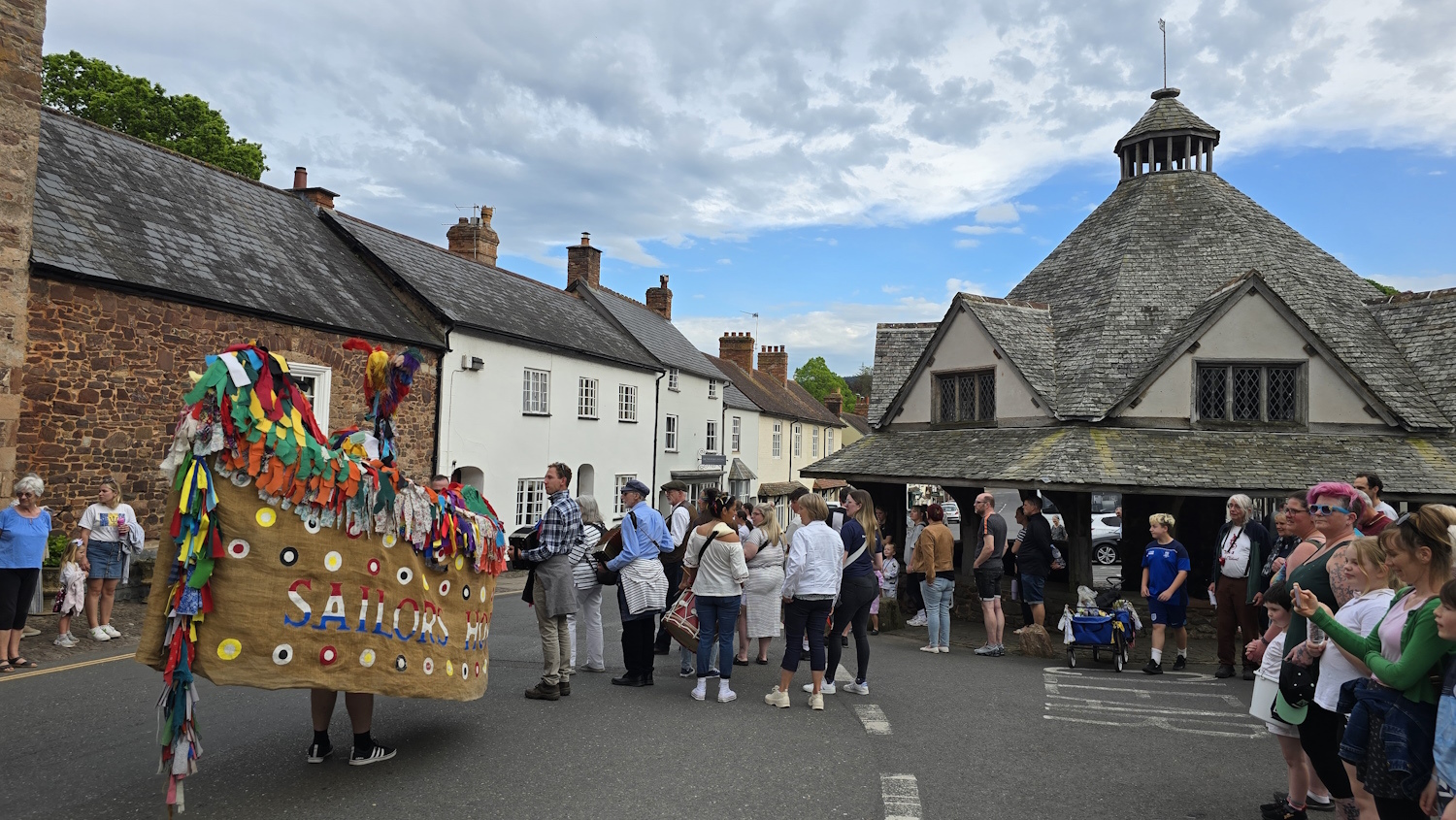
Dunster has a busy calendar of events throughout the year, with traditional village events, railway events, seasonal celebrations and community activities.
One of the best-known events is the Dunster Show, a much-loved annual event celebrating the local community, countryside, agriculture, crafts and rural traditions.
Other events take place throughout the year, so it’s worth checking what’s happening before your visit.
Where to Stay in Dunster
If you want more than a day trip, Dunster makes a fantastic base for exploring Exmoor and West Somerset.
Accommodation in and around the village includes historic inns, hotels, bed and breakfasts, self-catering cottages and beach accommodation.
Staying locally also gives you the opportunity to explore Dunster when the busiest part of the day has passed and enjoy the village in the quieter morning and evening.
Find accommodation in Dunster →
How to Get to Dunster
Dunster is situated just off the A39 in West Somerset, close to Minehead and on the edge of Exmoor National Park.
By car
Dunster is easily reached by road from Minehead, Taunton and surrounding areas.
By bus
Local bus services connect Dunster with Minehead and other destinations in West Somerset.
By heritage railway
The West Somerset Railway serves Dunster Station, providing a memorable way to travel through the Somerset countryside.
Read our guide to getting to Dunster →
Where Can I Park in Dunster?
There are several parking options in and around Dunster, including car parks close to the village centre.
Parking can become particularly busy during weekends, holidays and major events, so arriving earlier in the day is advisable.
Frequently Asked Questions About Dunster
Here are some of the most common questions people ask when planning a visit to Dunster Village.
What is Dunster famous for?
Dunster is famous for its historic medieval village, Dunster Castle, the Yarn Market, its traditional High Street and its beautiful location on the edge of Exmoor National Park.
Is Dunster worth visiting?
Yes. Dunster is well worth visiting for its history, architecture, independent shops, places to eat, walks and attractions including Dunster Castle, the Yarn Market and Gallox Bridge.
What is there to do in Dunster?
There are plenty of things to do in Dunster, including visiting Dunster Castle, exploring the historic High Street, seeing the Yarn Market, visiting St George’s Church and the Watermill, walking to Gallox Bridge and Conygar Tower, browsing the independent shops and visiting Dunster Beach.
Is Dunster a village or a town?
Dunster is a village and civil parish in Somerset. It is located close to Minehead and on the edge of Exmoor National Park.
How old is Dunster?
Dunster has more than 1,000 years of recorded history, with the village and its castle playing an important role in the history of West Somerset.
Can you visit Dunster Castle?
Yes. Dunster Castle is managed by the National Trust and is open to visitors on selected days and times. Opening arrangements change during the year, so check the National Trust before travelling.
How far is Dunster Beach from Dunster Village?
Dunster Beach is approximately one and a half miles from the village centre. It can be reached by road or on foot using local walking routes.
Is Dunster Beach dog friendly?
Dunster Beach is a popular place for walking dogs. Always check the latest local guidance before your visit, as beach access arrangements can change.
Where is Dunster Railway Station?
Dunster Railway Station is outside the main village and is served by the West Somerset Railway. It provides heritage railway connections through the beautiful countryside of West Somerset.
How long do you need to visit Dunster?
You can see some of Dunster in a couple of hours, but we recommend allowing at least half a day if you want to explore the historic village properly. Allow a full day if you also want to visit Dunster Castle, enjoy a walk or visit Dunster Beach.
Is Dunster good for families?
Yes. Families can explore the castle and village, enjoy walks, visit the railway, discover the beach and enjoy the shops, cafés and places to eat.
What are the best things to see in Dunster?
Some of the highlights include Dunster Castle, the Yarn Market, St George’s Church, Gallox Bridge, Dunster Working Watermill, Conygar Tower, Dunster Beach and the historic High Street.
Is Dunster in Exmoor National Park?
Dunster is situated on the edge of Exmoor National Park and is an excellent base for exploring the surrounding countryside and coast.
Plan Your Visit to Dunster
From its medieval streets and historic castle to independent shops, beautiful walks and the nearby coast, Dunster is a village that rewards you for taking your time.
Whether you’re visiting for a few hours or staying for several days, there is plenty to discover.
Start planning your visit today and discover Dunster for yourself.